The Primer
Vendor-neutral, written to be useful first. How to actually use the AI tools you work with, from coding to content to automation.

Tools & Stacks
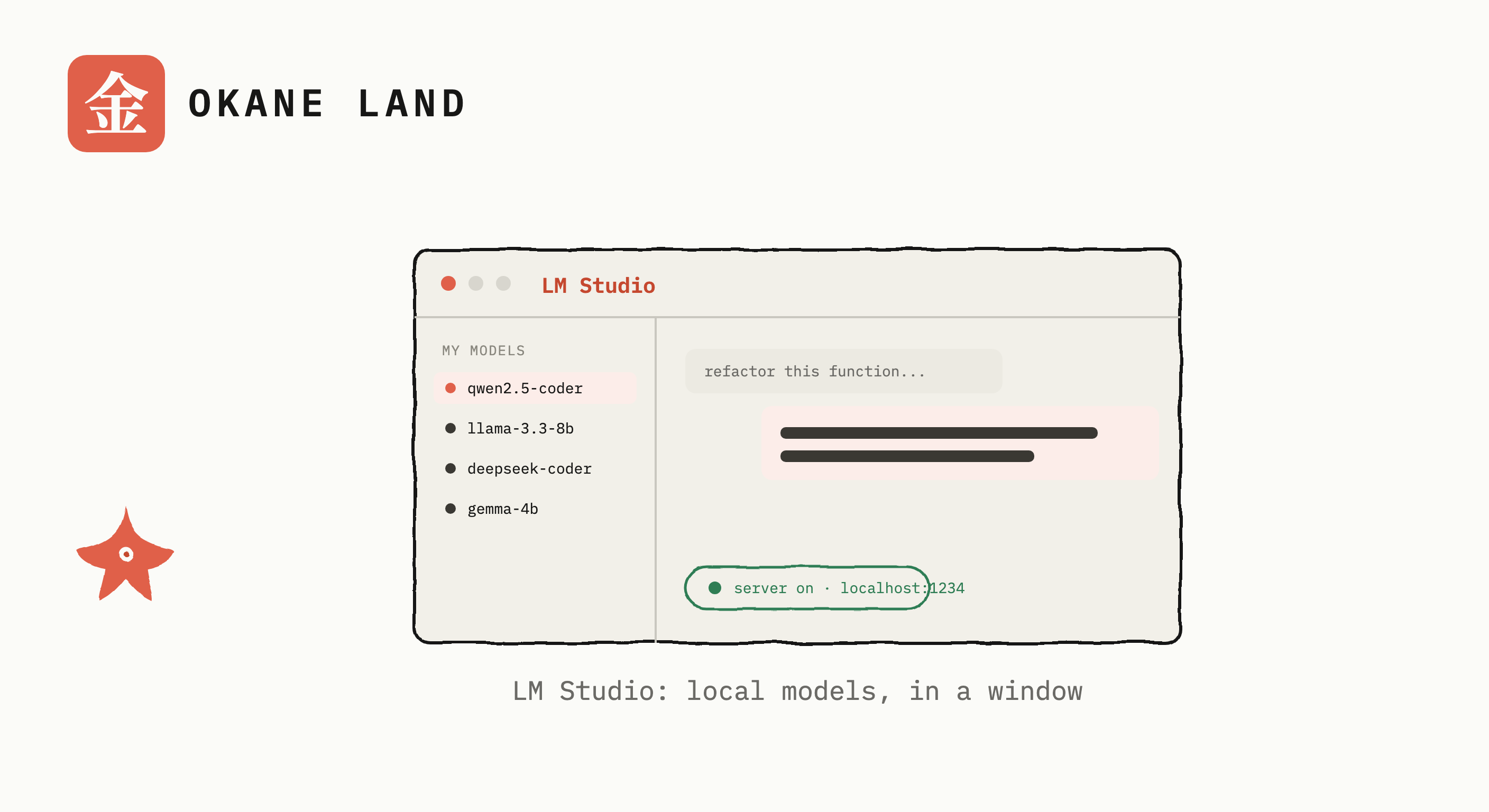
How to use LM Studio: run local LLMs with a GUI
LM Studio is the friendly way to run AI models on your own machine: a desktop app that finds, downloads, and runs local models, then serves them to your editor and agents over a local API. It is free, even at work, and unlike a CLI-first tool it lets Claude Code connect straight to a local model with no proxy. Here is the whole thing, download to editor.
Tools & Stacks
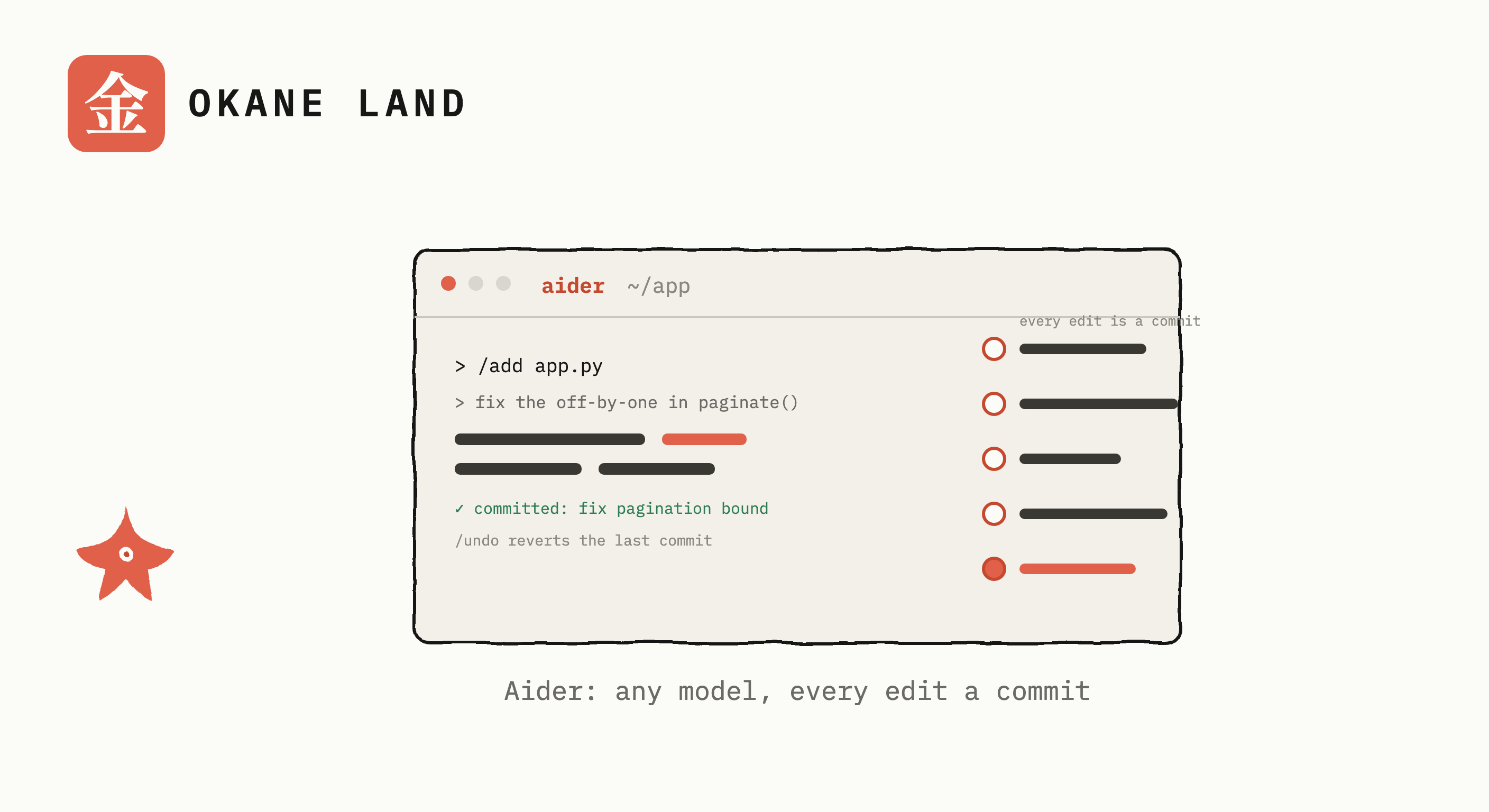
How to use Aider: AI pair programming in your terminal
Aider is an open-source AI pair programmer that lives in your terminal, commits every change to git so you can always undo it, and points at almost any model, including a free local one. Here is the whole thing: install, run it in a repo, the commands you will use, and how to wire it to Claude, to OpenRouter, or to Ollama running on your own machine for zero per-token cost.
Tools & Stacks
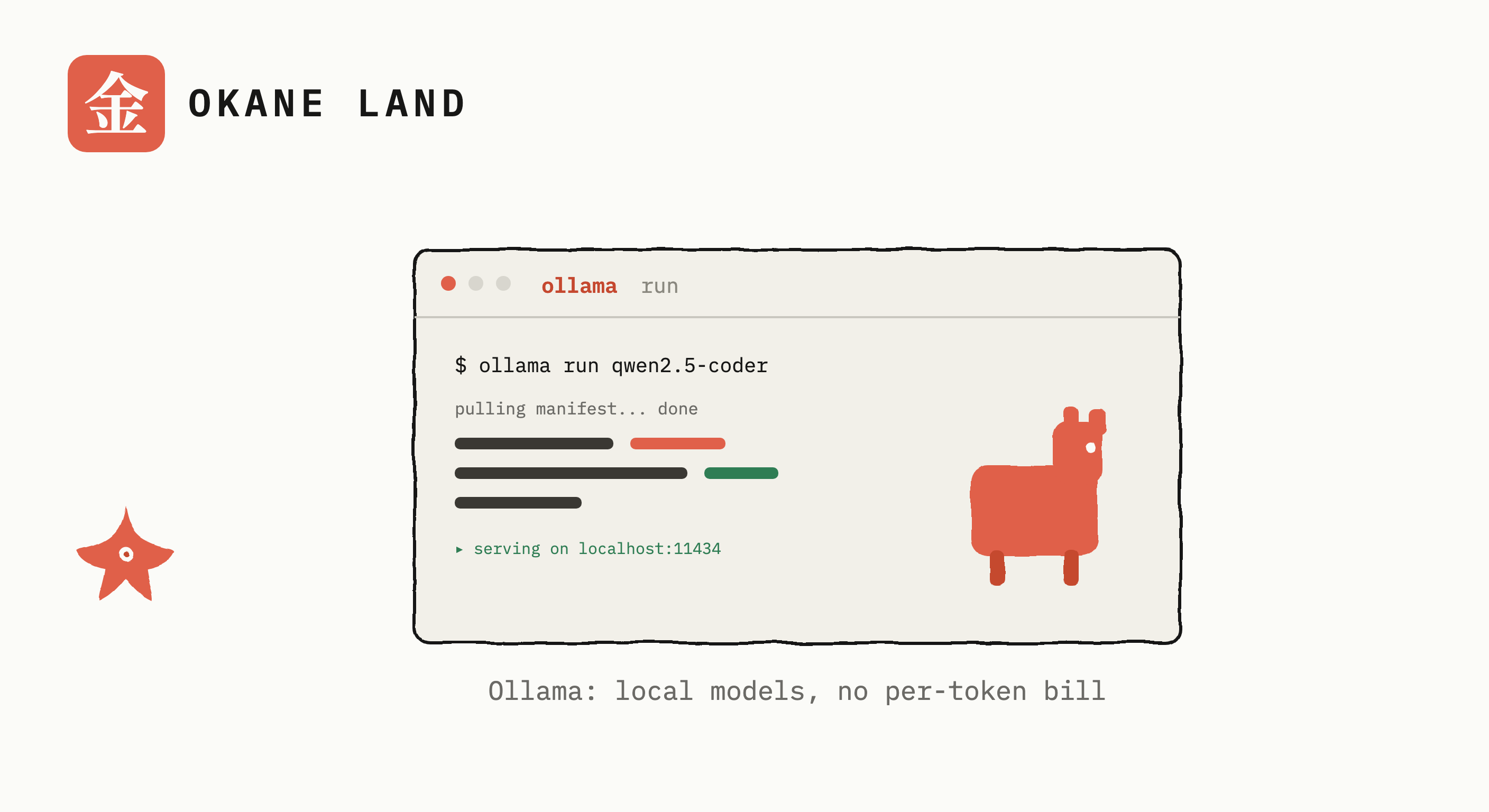
How to use Ollama: run AI models on your own machine
Ollama runs open models on your own computer, for free, with one install command and one run command. For a vibe coder the appeal is blunt: inference that costs nothing, never leaves your laptop, and has no rate limit but your hardware. Here is the whole thing, install to editor, plus the plain catch about your RAM and the reason Claude Code will not point at it without help.
Marketing & Ads
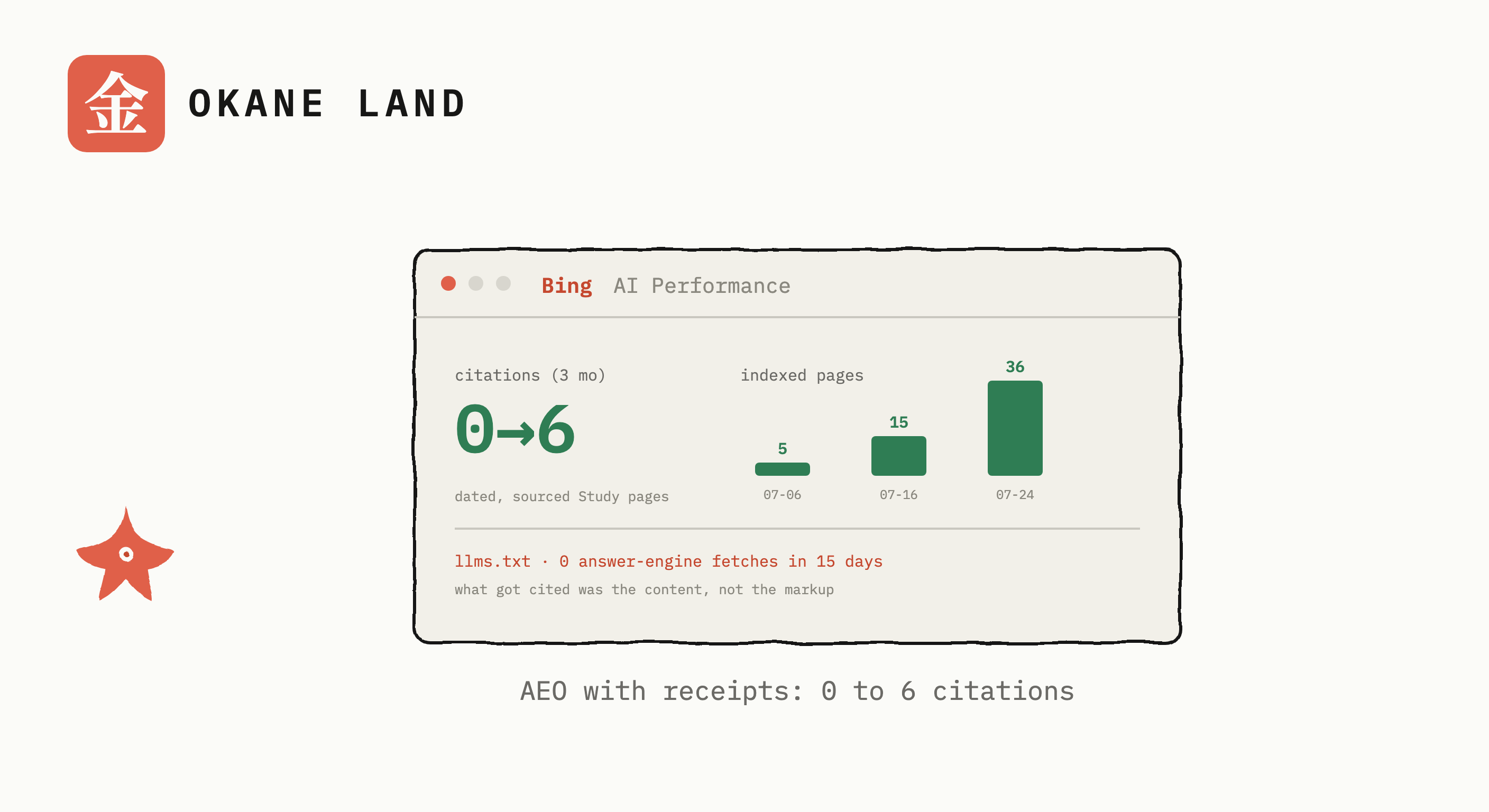
How to make your product citable: an AEO walkthrough
The get-cited-by-ChatGPT genre is thick with unverifiable stats. We can only publish the walkthrough we can show our work for: our own agent-facing plumbing, tied to the files on disk, our Bing citation report going from zero to six, a fifteen-day server-log test of whether answer engines even read an llms.txt, and the tactics our own research made us drop. Every step carries either a before-and-after or a named source.
Tools & Stacks
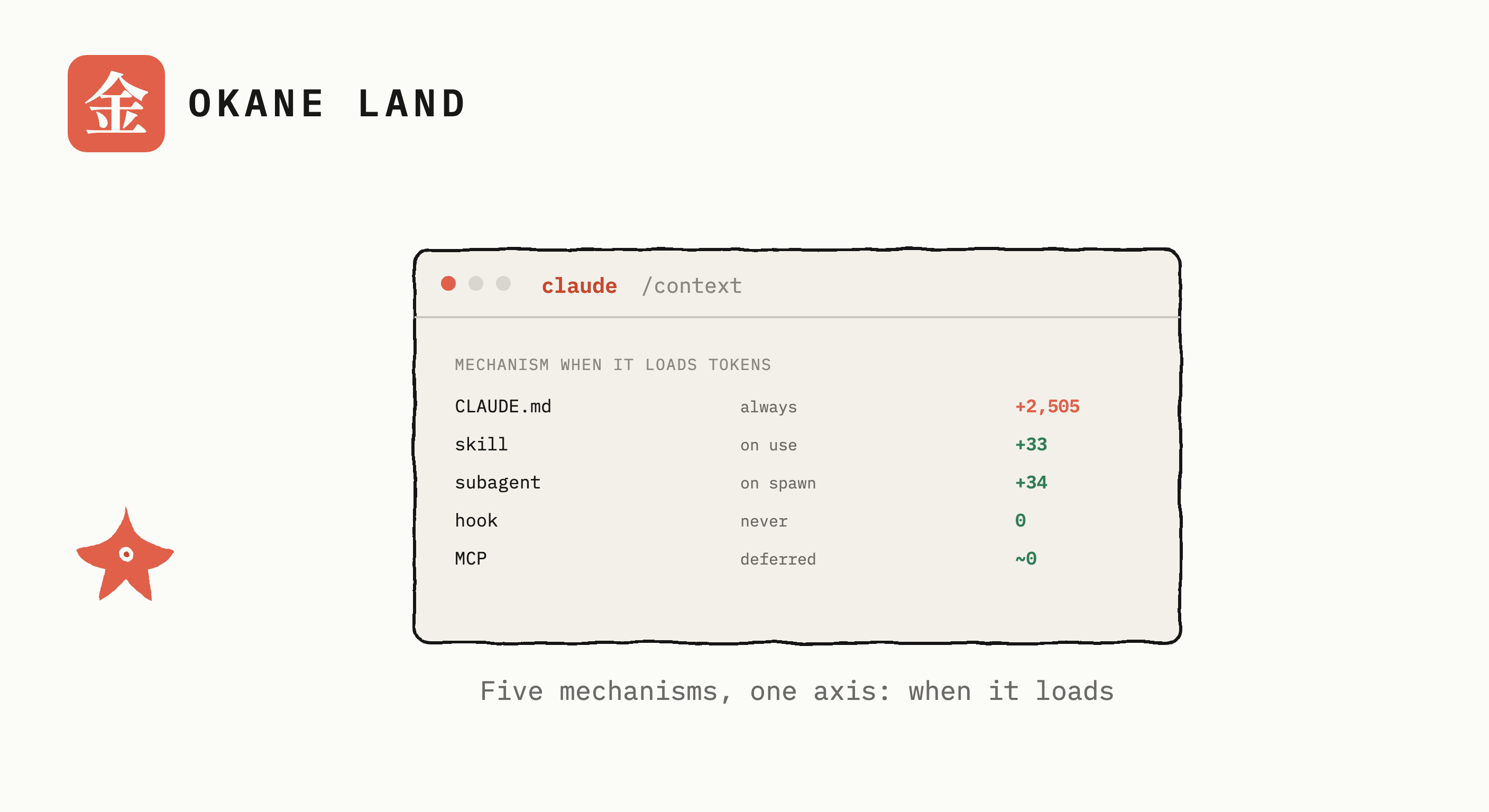
Hooks, skills, subagents, plugins, CLAUDE.md: what each is for
Five ways to extend Claude Code, and the confusion is real: hooks or skills, skills or subagents, CLAUDE.md or a skill. They differ on one axis that decides everything else, when each one enters the context window. Anthropic just published that axis and rebuilt around it. Here is the tested taxonomy, with the token cost of each measured on a clean session.
Tools & Stacks
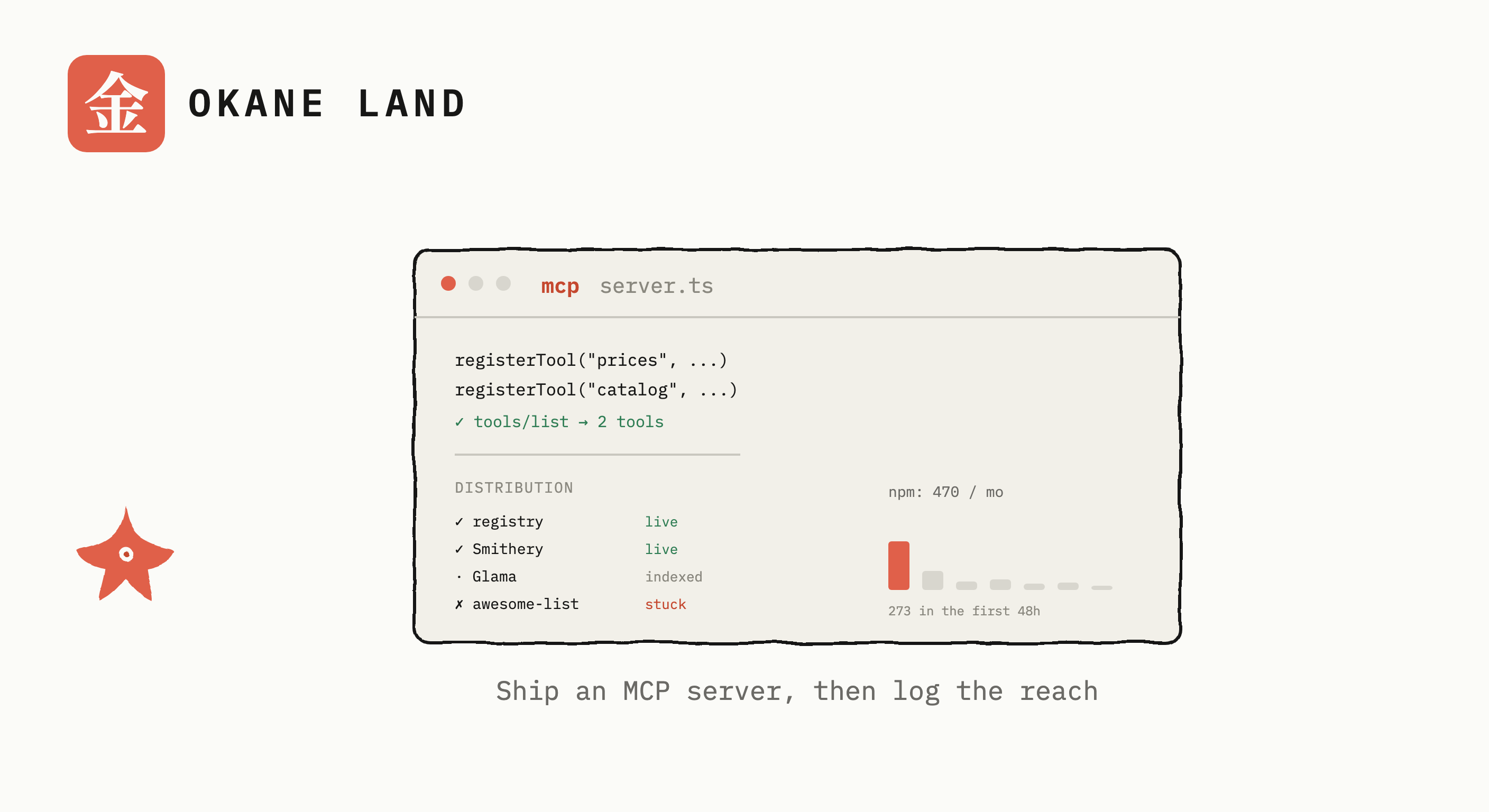
Ship an MCP server for your product
Most "how to build an MCP server" guides stop at hello-world and skip the part builders actually ask next: does anyone find it? We shipped one for this site, eleven days before the spec went final, so this walkthrough comes with real distribution receipts, including the submission that is still stuck. Here is the minimal build under the current spec, and the real reach.
Getting Started
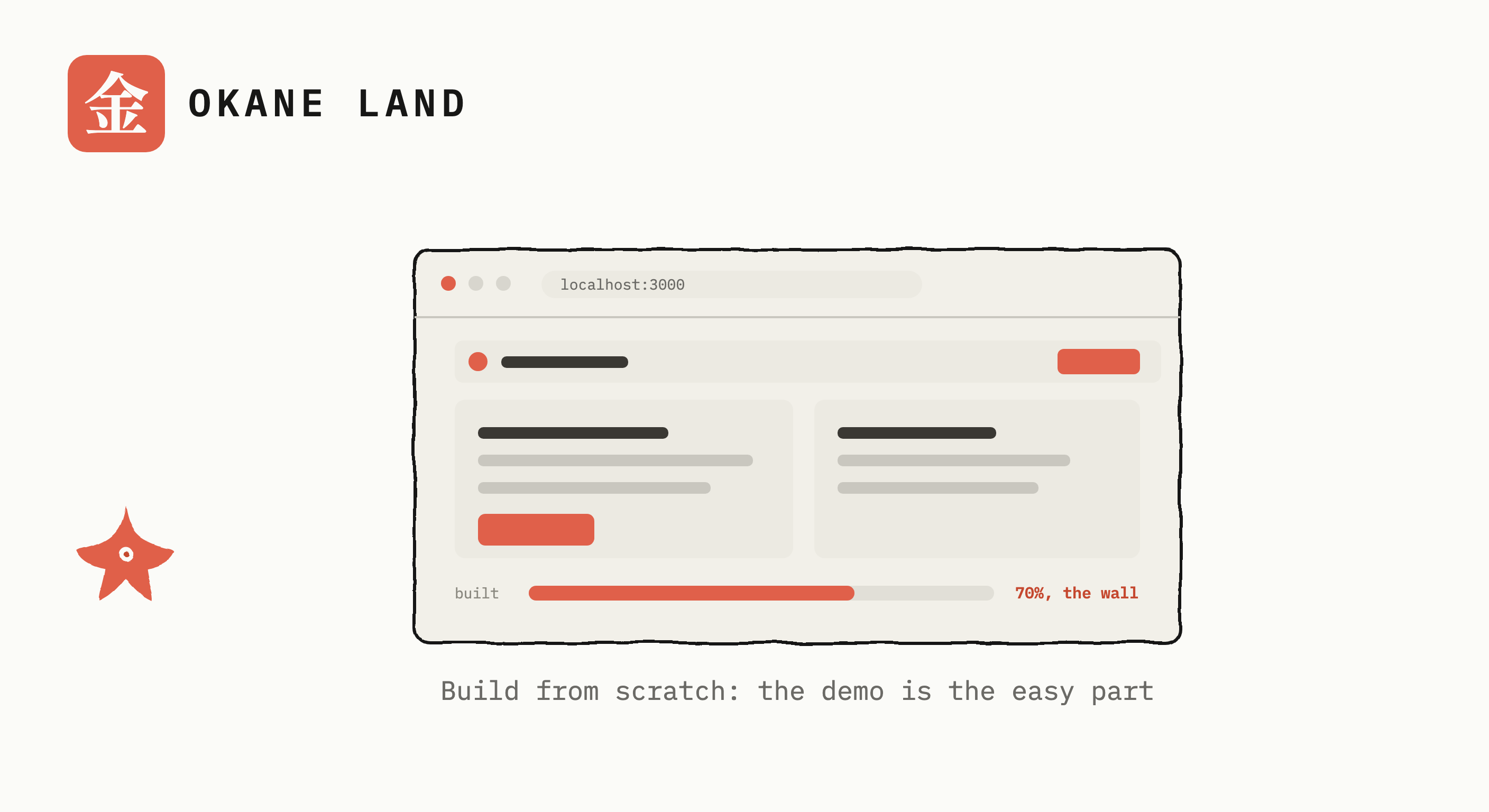
How to build an app with AI from scratch
AI gets a non-coder from idea to a working demo quickly. Then the same person hits the same walls, in the same order: scope, tool choice, the 70% problem, the free-tier cliffs, security, and getting paid. This is the map of that whole path, with the real numbers at each wall and the deeper guide that gets you over it.
Skills & Craft
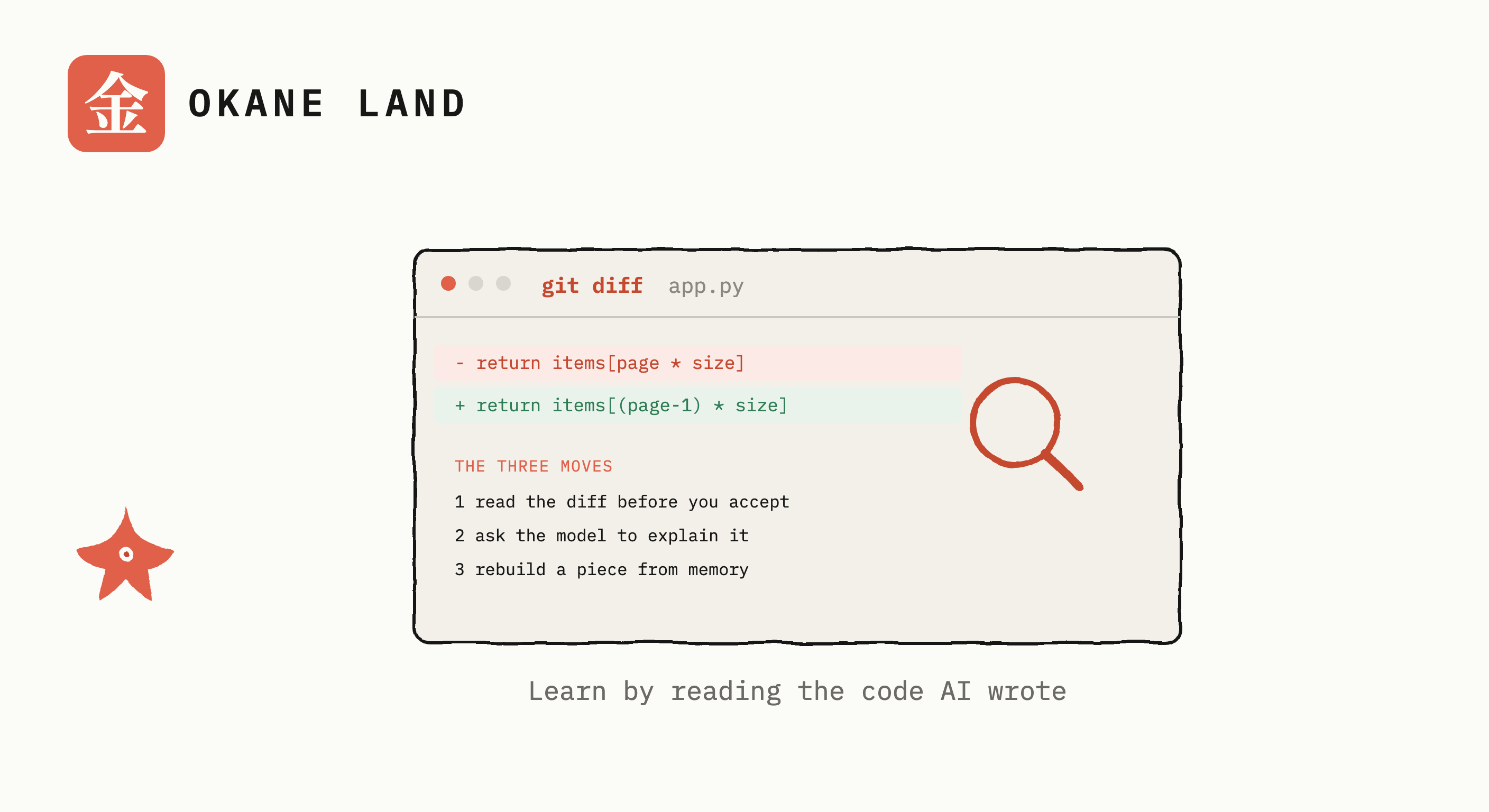
Can you actually learn while vibe coding?
By its coiner's own definition, pure vibe coding is the choice not to learn: forget the code exists. So learning starts the moment you break that definition on purpose. Here are the three cheap moves that turn a delegated diff into a mental model, and the reason your own sense that you understood it cannot be trusted.

Tools & Stacks
How to use n8n, and when to write the code instead
n8n bills a workflow run as one execution, no matter how many steps it takes, and that pricing quirk is why the AI client-work trade settled on it. The earnings underneath are modest, recurring, and real, the guru numbers are mostly marketing, and the license has a clause most people selling builds have never read.

Tools & Stacks
How to use Lovable, and when to take the code and go
Prompt in, working app out. The speed is real and front-loaded: the demo lands the same afternoon, the real costs land once you ship it as more than a demo, and the exit ramp, GitHub then Cursor, is part of driving it well.

Marketing & Ads
How to make AI UGC ads, and when to pay a human instead
AI UGC tools sell a spokesperson video for the price of a coffee, and the working use case is narrower than the demos: high-volume hook testing. The money is in cheap volume, dozens of guesses for the price of one human clip, and the ceiling is trust: the moment an ad must carry a real claim or a real feeling, you hire the person.

Tools & Stacks
The vibe coding stack: what to pay for and what to skip
The whole vibe coding stack, slot by slot: what each one really costs, what the field runs by the numbers, the app-builder question, and the version that costs nothing.

Tools & Stacks
How to run Claude Code, and when to take back the keyboard
It ships on the same subscription as your Claude chats and drains the same usage pool. Delegation is the whole skill: given a bounded task and a real review it earns the price, unwatched it produces confident wreckage, and for quick in-editor edits Cursor stays the better buy.

Tools & Stacks
Where Perplexity earns its keep, and where it doesn't
Perplexity does the searching and the reading; the checking stays your job. A cited answer reads like a verified one and is not, and the tool pays for itself exactly as long as you keep clicking the footnotes.

Tools & Stacks
How to actually use Cursor, and where it stops being worth it
The Tab autocomplete is the reason people stay; the credit meter is the reason they watch the dashboard. Tab by itself can carry the price, credits are the permanent catch, and the agent repays exactly the attention you give its diffs.