The Proof
One tool, put through its paces. We actually use it, then tell you where it breaks, what it really costs, and who it's for. Skepticism pointed at products, never people.

Situational
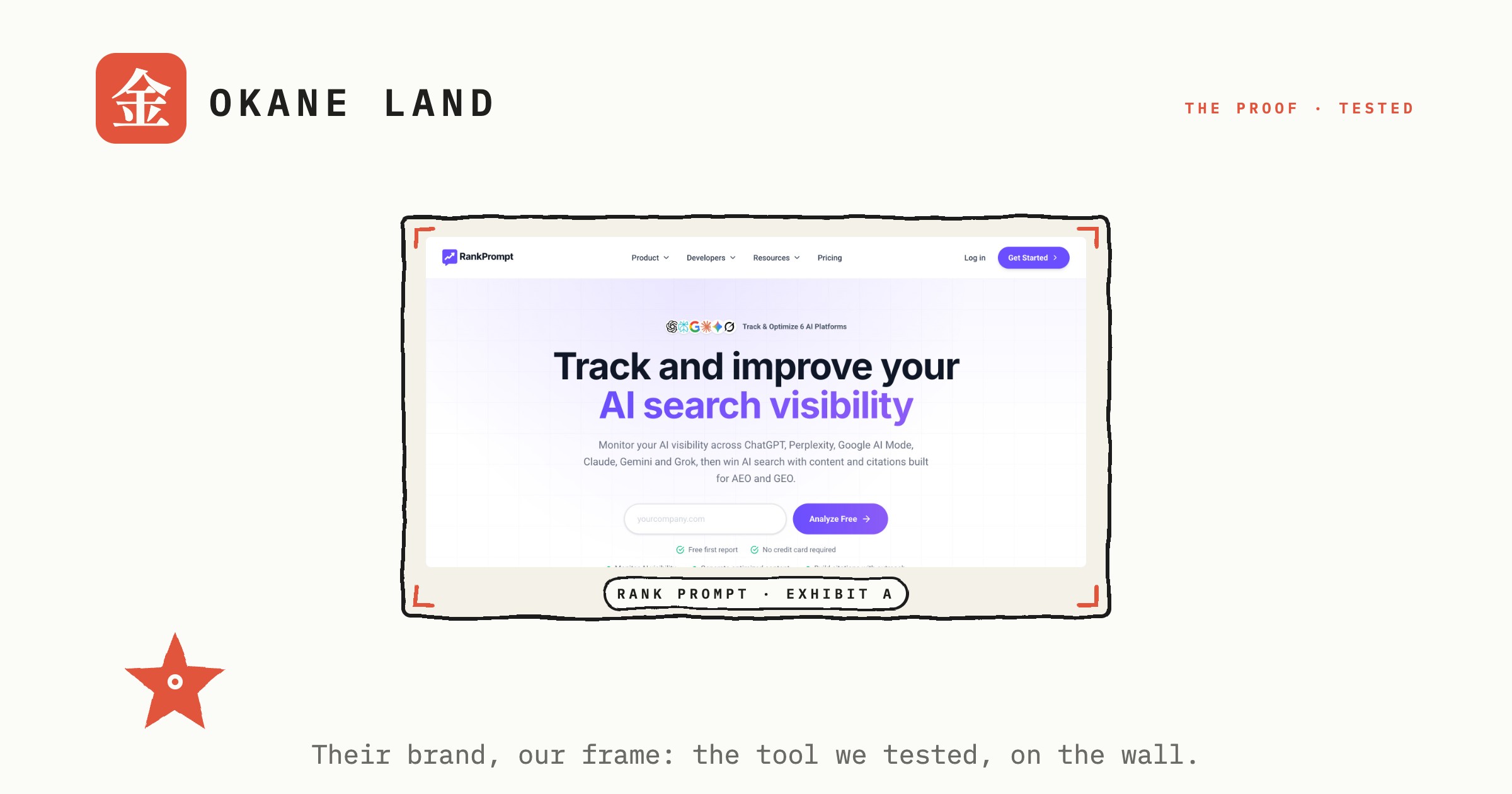
Rank Prompt on the free plan: it scored our AI visibility at zero, and by hand we found citations on two of eight questions
Before we opened an account we asked Perplexity and Google AI Mode eight questions our readers ask, and wrote down every source they cited. Then we let Rank Prompt run its free report on the same site. It said zero percent, on nine questions it wrote itself. Both results are correct, and the gap between them is the whole product: an AI visibility tool measures the questions it chooses, and the free plan chooses questions a small site cannot win.
Situational
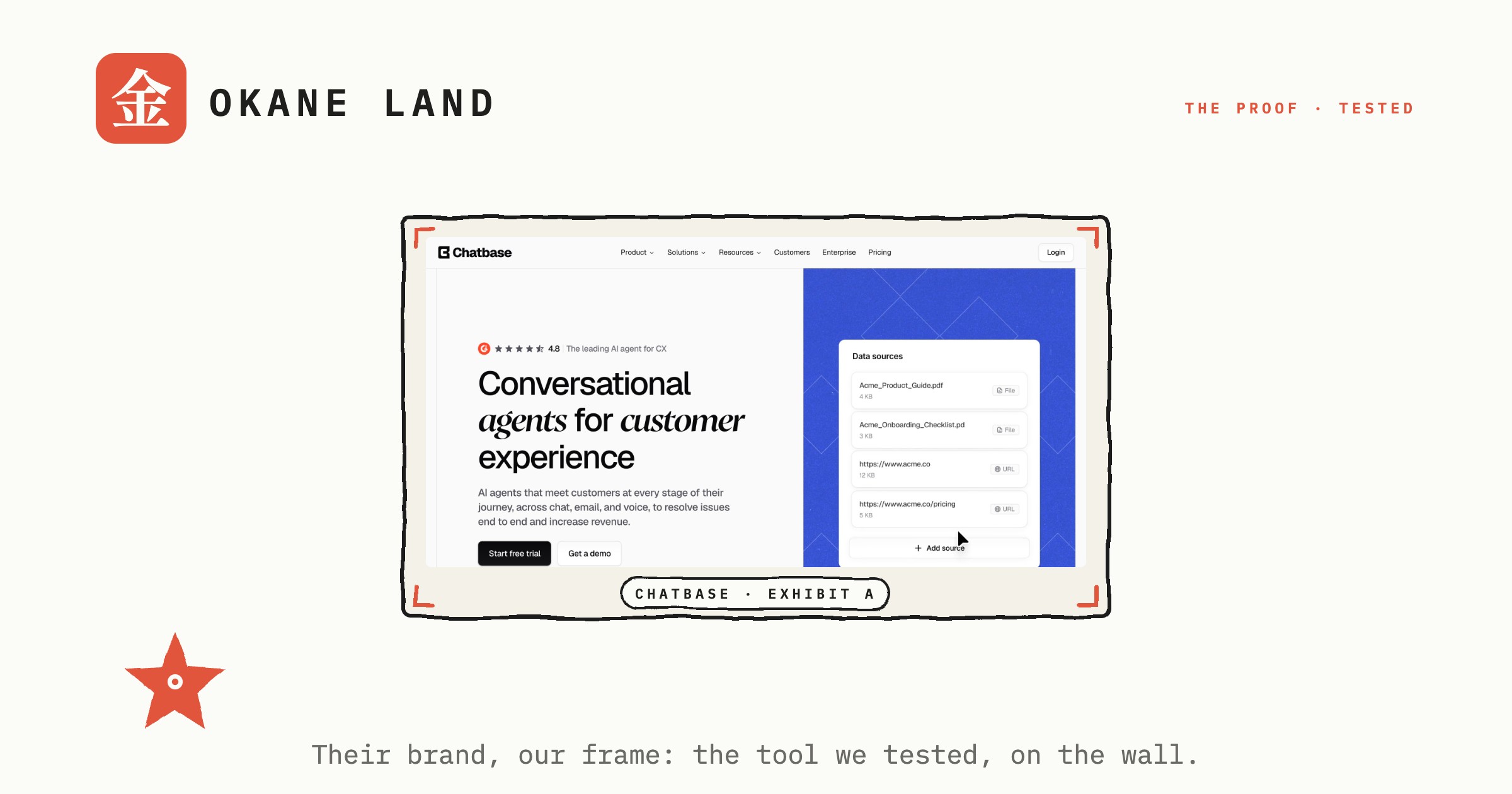
Chatbase on the free plan: we fed it our own site and asked it twenty questions we already knew the answers to
A support bot is only as good as what it says when nobody is watching. So we trained Chatbase's $0 tier on okaneland.com, froze twenty factual questions and three traps before the account existed, and graded every answer against the page it came from. Eighteen exact, one partial, one refused, none invented, five seconds a reply. The plan rather than the model is where it breaks: one megabyte of training data that dropped 22 of our pages, including the homepage.
Situational
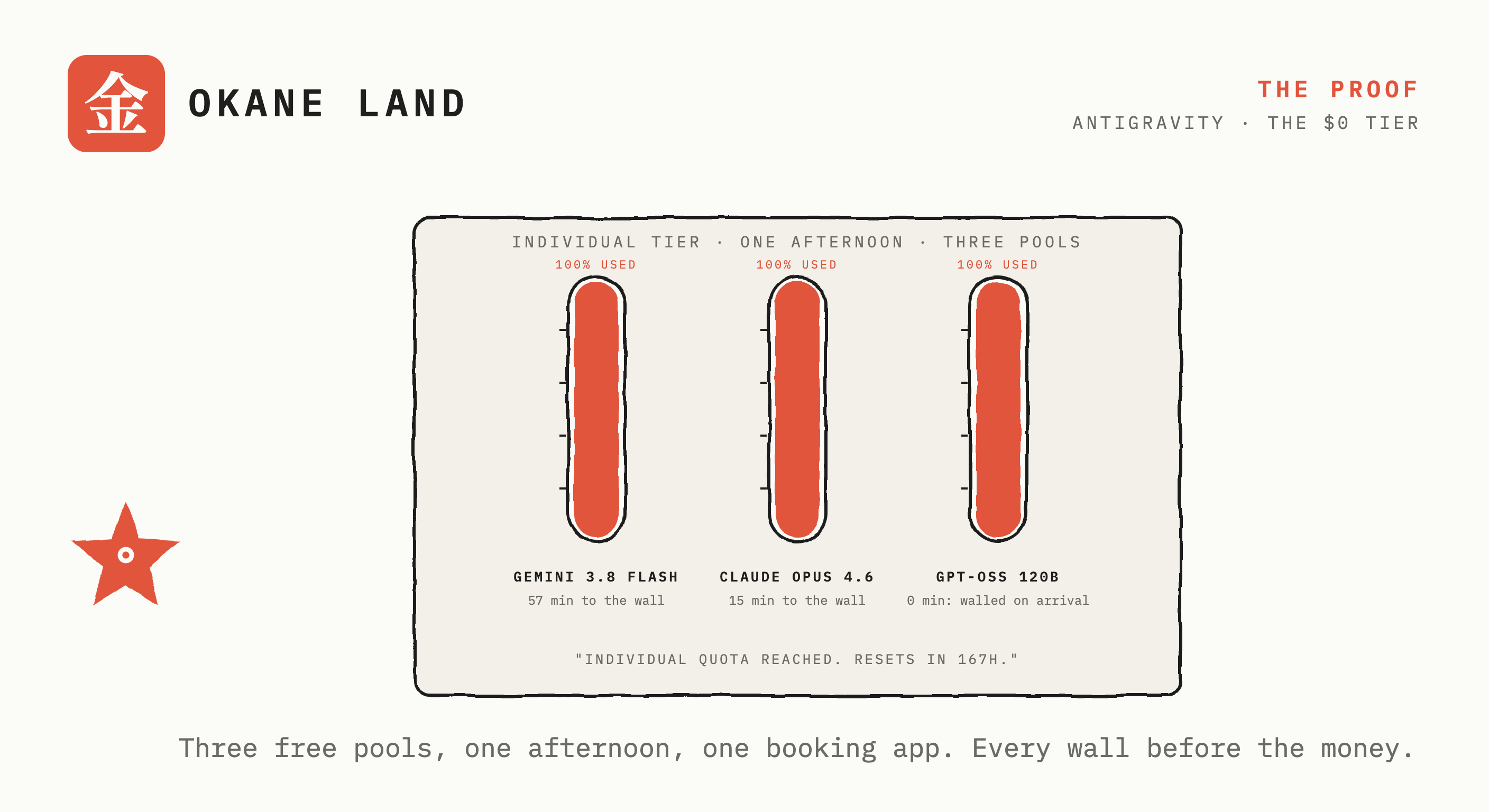
Google Antigravity at $0: we gave it the same booking app and it ran out of models by half past four
Google closed the free door on the Gemini CLI and pointed individuals at Antigravity. So we walked through that door with the same founder pitch, curveballs and frozen gates the other three agents faced. The free tier serves Gemini 3.8 Flash, Claude Opus 4.6 and GPT-OSS, and in one afternoon we hit the weekly wall on all three. Nine of ten reached gates passed. The money curveball was never reached.
Worth it
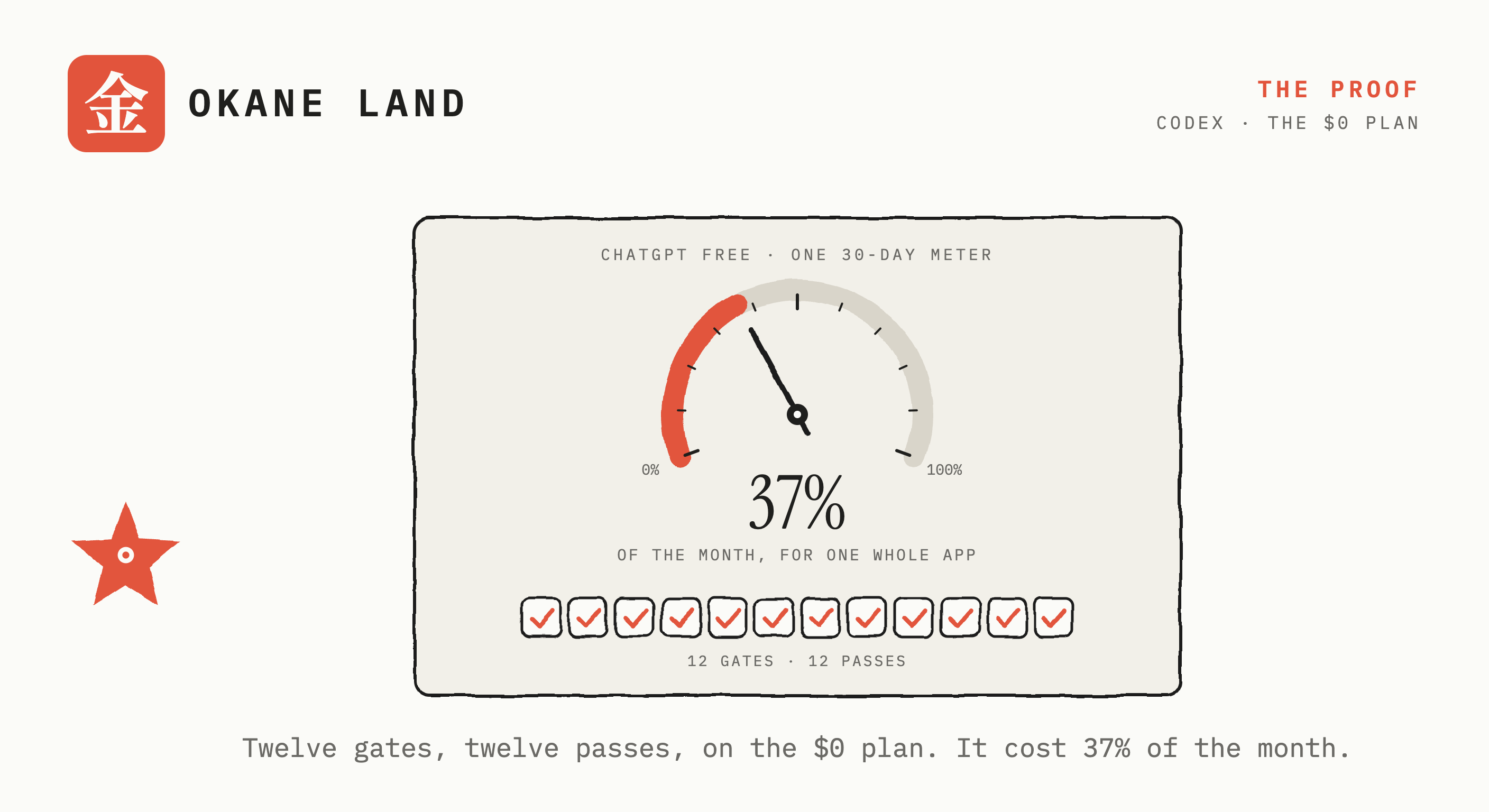
Codex on the ChatGPT Free plan: we gave it $0 and the same booking app
We handed the free tier of OpenAI's coding agent the exact founder pitch, curveballs and frozen gates that Cursor Pro and Claude Code faced in August. It cleared all twelve, including the concurrency gate both $20 tools failed, in under ten minutes of agent time. The bill was 37 percent of a 30-day meter, and the model behind the door was not the one in the launch posts.
Situational
Web Anatomy: the annotations are worth your time, the statistics are not
A design library of scored, annotated landing-page sections from real companies, plus a free MIT-licensed skill pack for your coding agent. We ran its own audit rubric three times on the same page to test its reproducibility claim, ran the hosted analyzer on our own homepage and timed it, and checked its published analyses against the live sites they describe. The section-level work is better than almost any free CRO content. The scores and leaderboards deserve a more careful read.
Situational
Cursor vs Claude Code for vibe coding: a real head-to-head
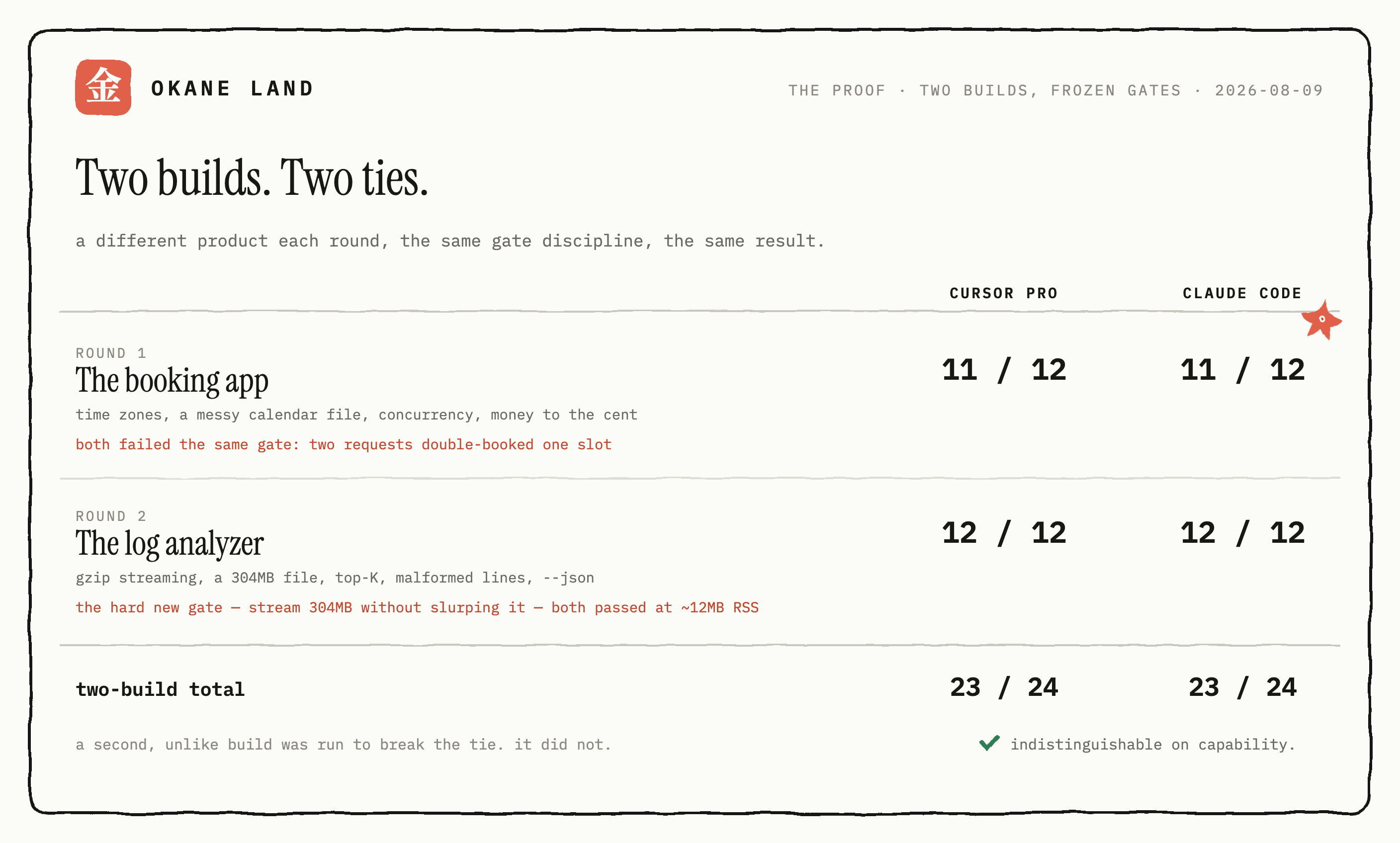
We gave each $20 agent the same founder pitch and the same pass-or-fail gates, frozen before either run started, then did it again with a completely different product to break the tie. Round one: 11/12 each, same failure. Round two: 12/12 each. Two builds, two ties. Here is what still separates them, receipts and repos included.
Worth it
Cursor Pro: we gave it $20 and a startup idea
We handed Cursor a founder-style pitch and it shipped a working, named SaaS the same evening: a tracker for the exact unnumbered AI allowances our own reporting keeps exposing. It survived two curveballs and a cold ship check, all on the $20 plan. Worth it, with the two caveats the meter still will not show you.

Worth it
Open Design: the free design studio your coding agent runs
We installed Open Design, pointed it at our own site, and let Claude Code drive: brand extraction, a component kit, a sponsor media kit, a PDF export. The output is real, and the token meter shows what free costs.
Situational
Creatify: the product-page ad machine, for the right seller
We bought the Pro plan and drove every tool in the box: URL-to-Video on a real Amazon listing, three custom avatars, static image ads, the ad-cloning agent, the playable-ad builder, and the credit meter. Turning a product page into a stack of usable ads is the real product. The custom-avatar side dropped a render without a word, and the ad-launch suite wants your live ad accounts before it does anything.
Worth it
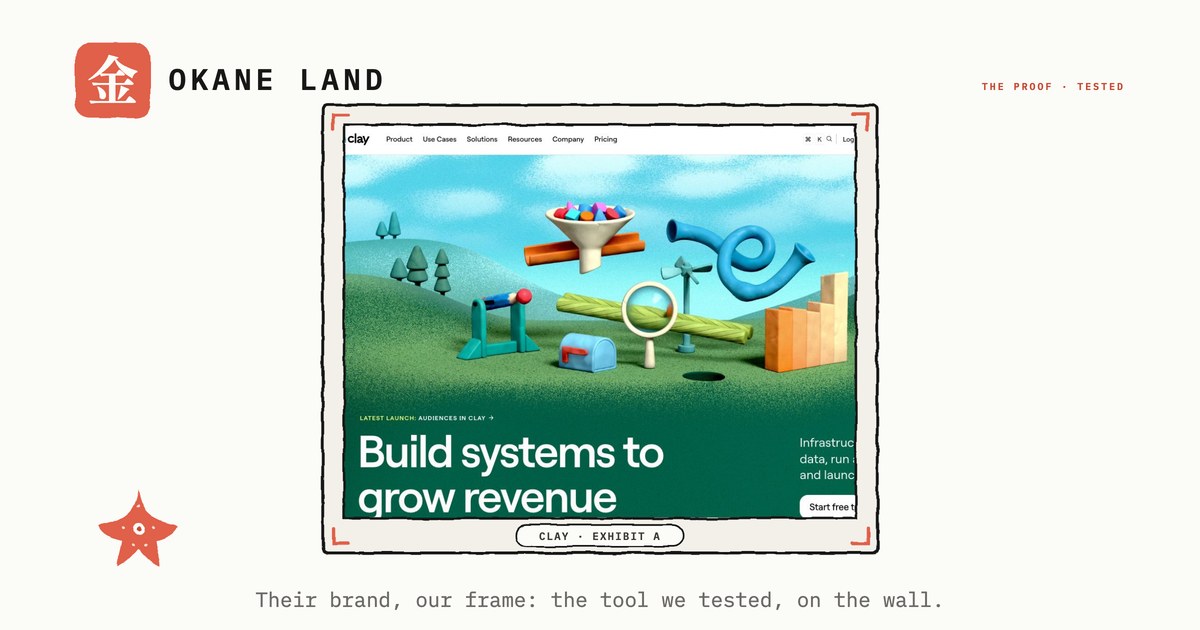
Clay: the best prospecting engine we have tested, and the bill that comes with it
We found 50 real leads, ran the six-provider email waterfall, and drove Clay's AI agent across ten companies on the live tool. The AI is the real thing and the coverage is high. The catch is the price and the learning curve.
Situational
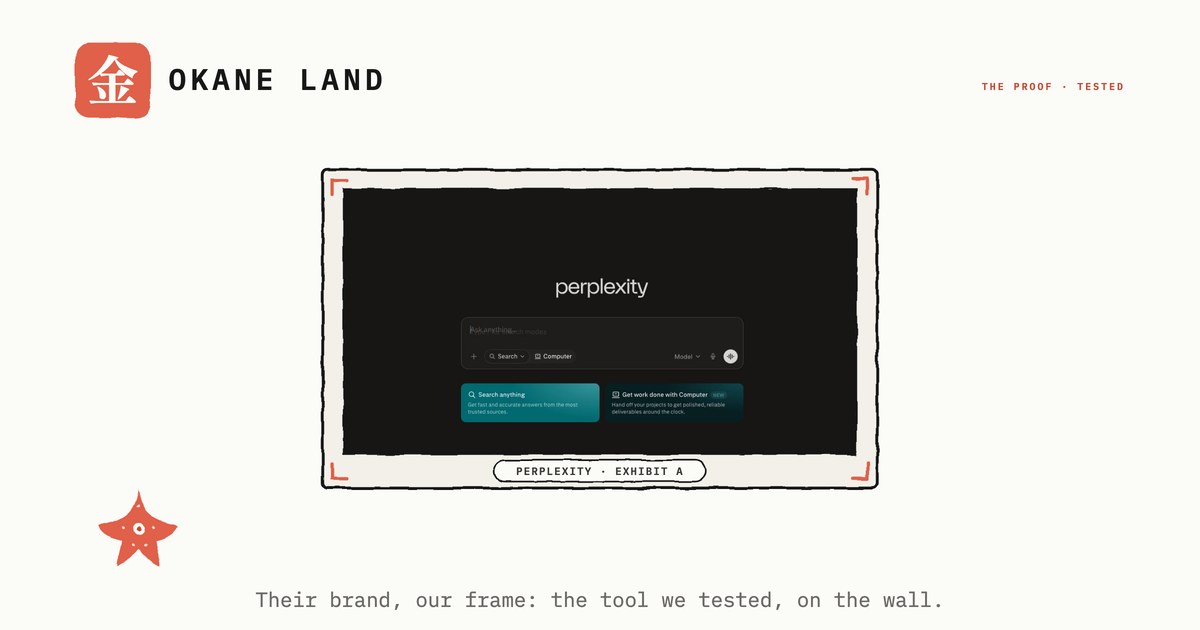
Perplexity Max: the deepest toolset in AI search, and where it still leaks
We bought Max, signed in, and drove every tool: nine models, Model Council, Deep Research, the Computer agent, the premium data connectors, Finance and Academic. The advanced tools are genuinely powerful. The everyday search still leans on content mills, and most people do not need the $200 tier.
Situational
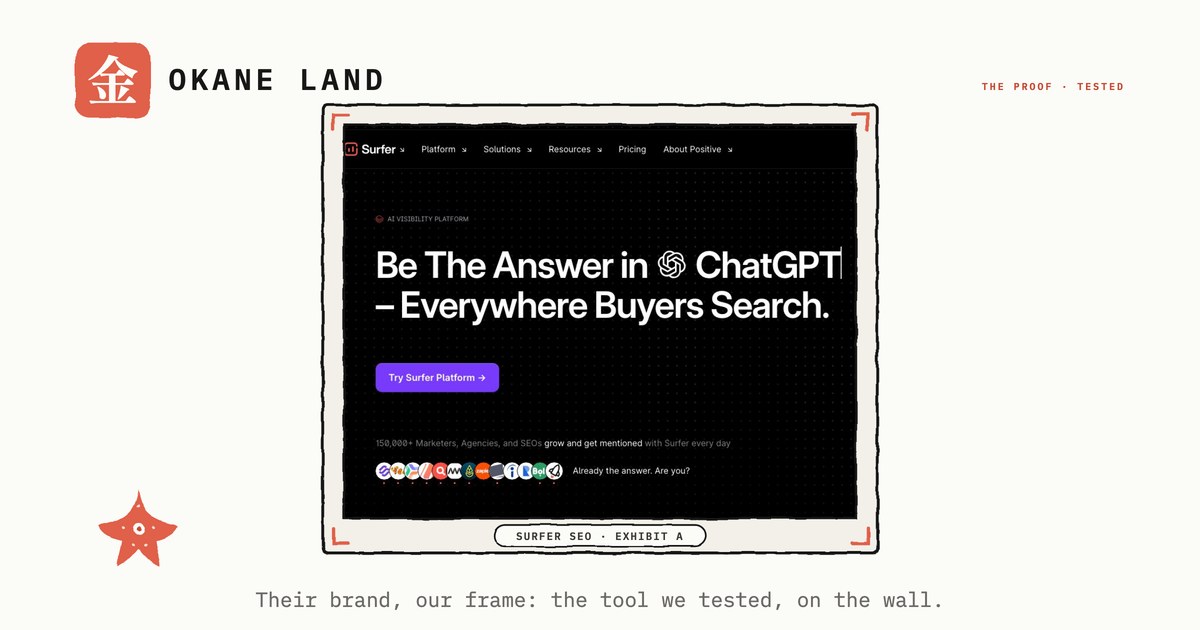
Surfer SEO: a strong scoring engine wrapped in a paywall maze
We ran Surfer end to end on a live site with Search Console connected, then checked our verdict against what real users report. The dual SEO and AI-Search scoring is real and ahead of older tools. The AI writer inventing a "we tested it" claim is not.